


Africa’s Children Report Carries Big Lessons for Zambia and the Region- By Fr Charlie Chilufya
Last update: May 3, 2026
Disclaimer: This website may contain affiliate links, which means we may earn a commission if you click on the link and make a purchase. We only recommend products or services that we personally use and believe will add value to our readers. Your support is appreciated!
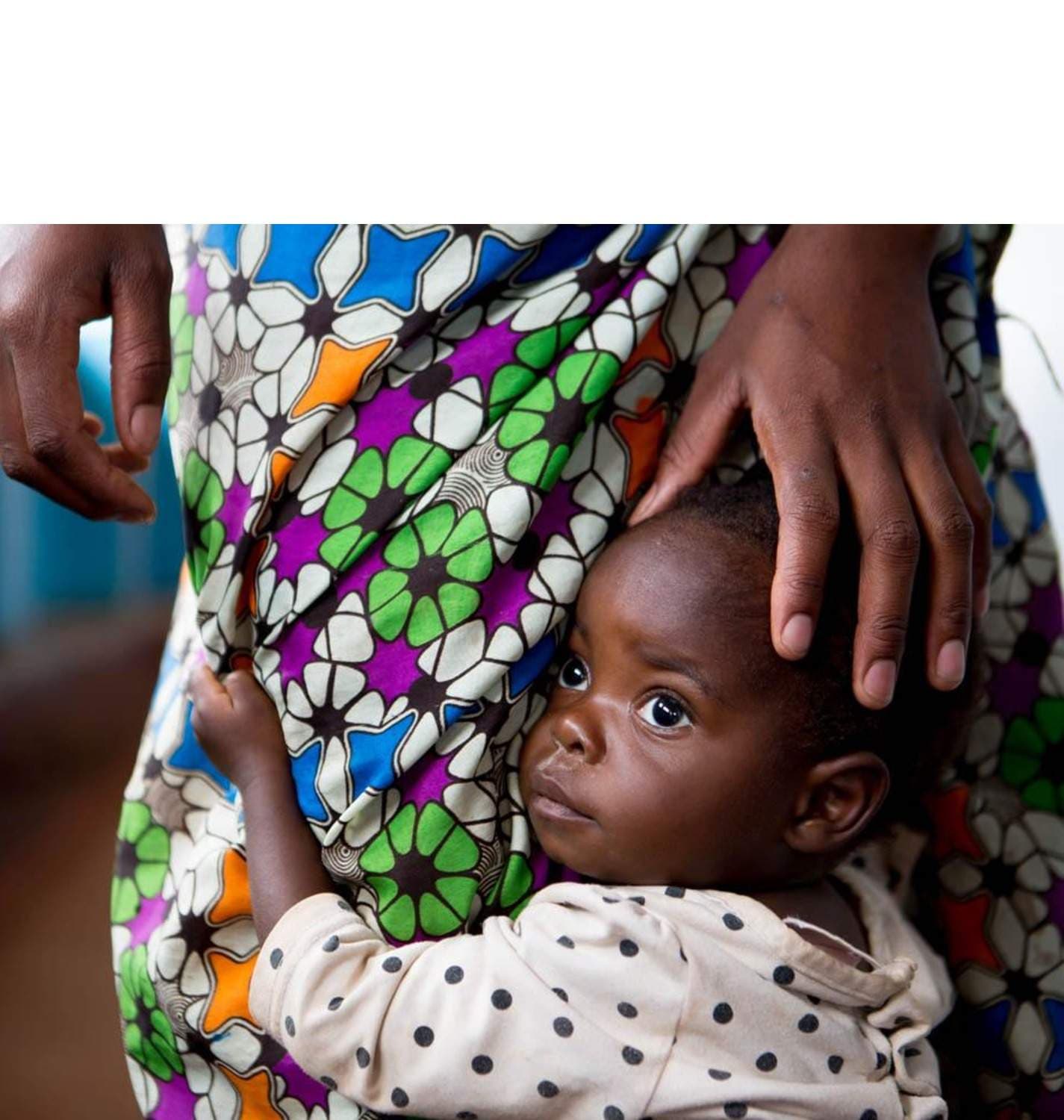
The newly launched Africa’s Children 2026: Statistical Compendium by UNICEF, the African Union, UNECA and STATAFRIC is more than a statistical publication..
It is a wake-up call to governments across Africa — including Zambia — that the future of development will be determined by how nations invest in children today.
The report reveals that Africa is now home to nearly 691 million children under the age of 18, representing around 46 per cent of the continent’s total population. More than one in four of the world’s children now live in Africa. This means Africa’s child population is no longer simply a social matter — it is now a strategic global issue.
For Zambia, the message is especially relevant.
Like many African countries, Zambia has a youthful and growing population. A large child population can become a national dividend if matched with quality education, good health systems, nutrition, clean water, and future job creation. But if these investments are delayed, the same demographic reality can deepen poverty, unemployment, inequality, and social strain.
The report points to a central challenge facing many African states: population growth is moving faster than systems growth.
In practical terms, this means:
• More children needing classrooms than schools being built
• More mothers needing maternity care than clinics being expanded
• More youth entering adulthood than jobs being created
• More urban growth than housing and sanitation systems can absorb
This is where Zambia must think strategically.
The report’s 2026 thematic focus on Water, Sanitation and Hygiene (WASH) is particularly timely. Across Africa, only 45 per cent of the population has access to at least basic sanitation, while only 38 per cent have basic hygiene facilities.
For Zambia, this should renew urgency around:
• Urban sanitation in growing townships
• Rural water access
• School toilets and handwashing facilities
• Health facility cleanliness and infection prevention
• Child nutrition linked to clean water
These are not secondary matters. They directly affect learning outcomes, disease burden, maternal health, and productivity.
The report also raises a harder policy question: Can African governments meet child needs without stronger economic reform?
Across the continent, average public spending remains constrained, while many countries continue to face debt pressures, narrow tax bases, and dependence on external finance.
For Zambia, this means child welfare cannot be separated from:
• Debt sustainability
• Domestic revenue mobilisation
• Efficient public spending
• Anti-corruption efforts
• Growth in agriculture, mining value-addition, and industry
In short, macroeconomics and child welfare are linked.
There is also a moral dimension. A country’s seriousness about the future is measured not by speeches, but by how it treats children — especially the poor, rural, vulnerable, and excluded.
Zambia has real opportunities:
• Expand early childhood education
• Strengthen free education with quality improvements
• Reduce stunting and malnutrition
• Invest in adolescent skills and jobs pathways
• Build stronger local health systems
• Protect children through social cash transfer programmes
If pursued well, Zambia’s youthful population can become one of its greatest assets.
If neglected, it can become a source of future instability.
The Africa’s Children Report is therefore not merely data.
It is a mirror.
And for Zambia, it asks one urgent question:
Are we preparing today for the nation our children will inherit tomorrow?
#AfricasChildren
#ChildDevelopment
#UNICEF
#AfricanUnion
#UNECA
#STATAFRIC
#Zambia
#FutureOfAfrica
#InvestInChildren
#ChildWelfare
#YouthPopulation
#DemographicDividend
#EducationForAll
#PublicHealth
#WASH
#CleanWater
#SanitationForAll
#HygieneMatters
#ChildNutrition
#EndStunting
#HealthSystems
#EconomicReform
#DebtSustainability
#GoodGovernance
#SocialProtection
#PovertyReduction
#SustainableDevelopment
#AfricaRising
#PolicyMatters
#DevelopmentAgenda