


72,000 Crossings, 86 Dead — and now EU Says Spain got it Right
Last update: August 4, 2026
Disclaimer: This website may contain affiliate links, which means we may earn a commission if you click on the link and make a purchase. We only recommend products or services that we personally use and believe will add value to our readers. Your support is appreciated!
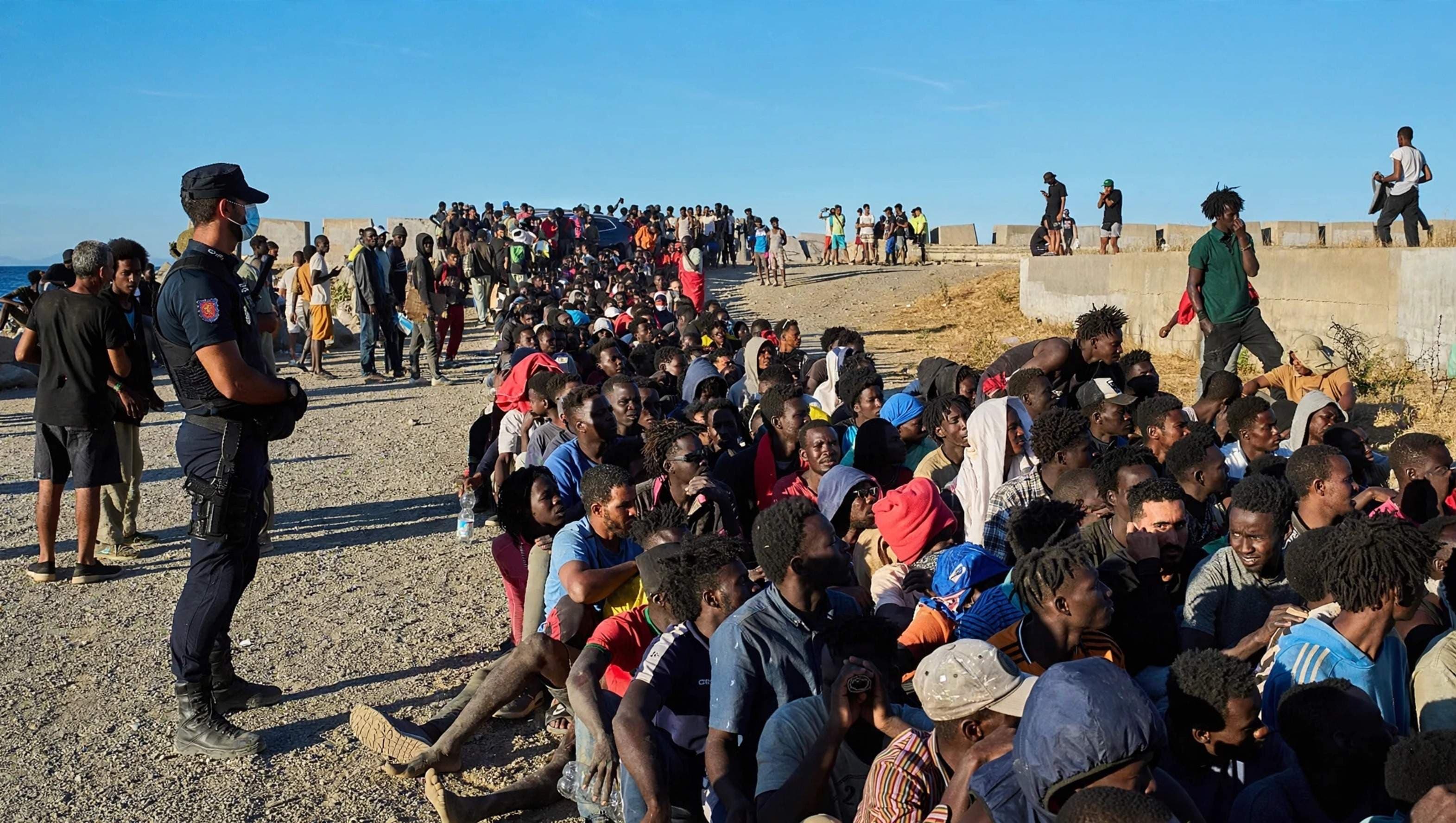
72,000 crossings in 48 hours, 86 deaths, and a full-blown Schengen row — now the EU says Spain has passed a major test of European resilience.
Well, what a few days it's been in Brussels.
After a tense build-up that saw Italy suspend Schengen flights from Spain and several EU nations raise alarm bells over the chaos in Ceuta, the European Union has now come out to commend Spain's handling of the crisis.
According to a report by cbinews.tv, the praise came after a meeting of the bloc's interior ministers on Tuesday.
Spain's Interior Minister, Fernando Grande-Marlaska, told the meeting that around 72,000 migrants crossed into Spanish territory in North Africa between 30 and 31 July, with an estimated 70,000 since returned to Morocco.
Tragically, at least 75 people died on the Spanish side of the border, while 11 deaths were reported in Morocco.
The emergency meeting was called after images from Ceuta were described as "shocking" by Italy, which went on to suspend its Schengen agreement with Spain on Friday. As the two countries don't share a land border, the move effectively means extra checks on flights.
Finland and Denmark backed Italy's decision, while Czech Prime Minister Andrej Babiš went further and urged a temporary suspension of Spain's Schengen membership. Italy, along with Denmark and 20 other nations, later sent a joint letter expressing concern.
It follows comments from Italy's Prime Minister Giorgia Meloni last Thursday, who said such "uncontrolled immigration" was a security threat to Europe.
Spanish Prime Minister Pedro Sánchez hit back, saying he had "serious concerns" about some European governments. He pointed out that Ceuta isn't even part of the Schengen area and said that while most had shown "support and solidarity", others had chosen to attack Spain, "driven by prejudice, fake news, ignorance, or political interest".
But the mood music appears to have changed since Tuesday's talks.
Irish Justice Minister Jim O'Callaghan, who chaired the meeting, said the EU stood in solidarity with Spain and that migration required "a united European response".
Speaking after the meeting, Grande-Marlaska said the Schengen zone had not been compromised and that he hoped Italy would lift any added controls "as soon as possible".
Denmark's immigration minister Morten Bødskov said he was "very satisfied" with Spain's quick response, but added the incident showed "we must have control over the EU's borders".
EU Commissioner Magnus Brunner called the incident a "test" of European resilience and border security — which he said it had successfully "passed". He added the EU had offered Spain emergency financial support to strengthen its borders and manage the crisis.
So what triggered it? That's still unclear. Brunner said it is thought the influx was fuelled by criminal networks and social media disinformation.
The crossings came just after Spain's Supreme Court ruled that migrants stopped at sea while trying to reach Ceuta or Melilla cannot be summarily returned to Morocco.
Moroccan authorities later said they had warned Spain the ruling would cause "a problem", but Spain rejected that claim, with a government spokeswoman saying there was no evidence or intelligence "that alerted us to the magnitude of this unprecedented event".
Grande-Marlaska said he was working "firmly" with Morocco to avoid further "violations" of Spain's borders and any migrants still in Ceuta would be returned as soon as possible.
Inside Ceuta on Tuesday, images showed crowds of migrants gathering near the beach for food, water and aid, some holding makeshift banners with the word 'asylum' written on them. Several people were pictured sleeping on the beach and on streets across the city.
Concerns have been raised over the treatment of those remaining, particularly unaccompanied minors, with local media reporting some 800 children being held in facilities across the city. Grande-Marlaska said the rights of all migrants, especially those underage, were being respected, with the Spanish government allocating around 25m euros (£21.4m; $28.8m) to assist minors in Ceuta.
Source: cbinews.tv
#Ceuta #CeutaCrisis #Spain #EUMigration #Schengen #EuropeanUnion #MigrationCrisis #SpainMorocco #FernandoGrandeMarlaska #cbinewstv