

72,000 Arrivals in Ceuta: Sánchez Defends Response in Parliament
Last update: September 3, 2026
Disclaimer: This website may contain affiliate links, which means we may earn a commission if you click on the link and make a purchase. We only recommend products or services that we personally use and believe will add value to our readers. Your support is appreciated!
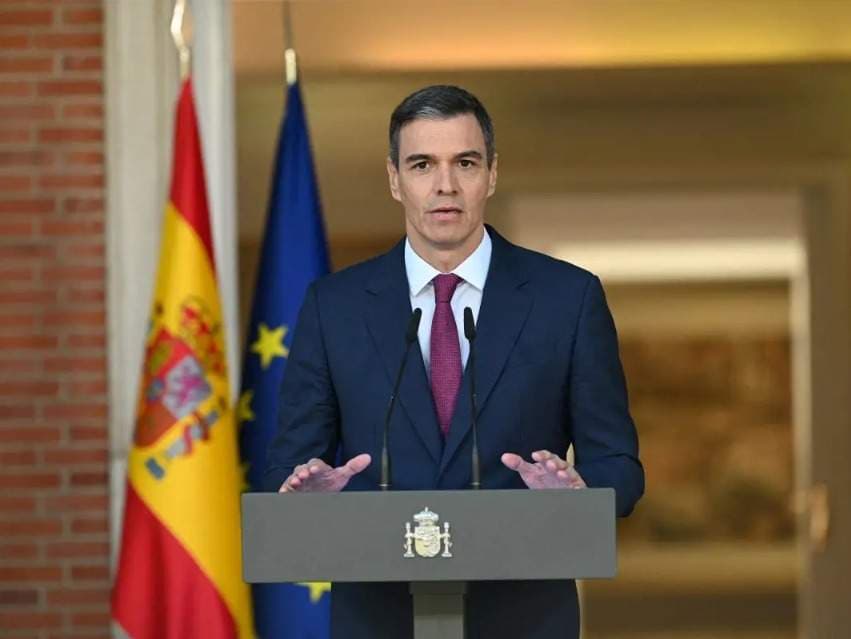
72,000 people in 48 hours. One tiny Spanish city on the African coast. And a prime minister telling parliament: “We had no warning.”
Here’s the latest twist in the Ceuta crisis that’s got all of Spain talking – as reported by cbinews.tv.
So, Spanish PM Pedro Sánchez was in the hot seat in parliament on Thursday, and his message was blunt: nobody foresaw what was about to hit Ceuta.
“It’s absurd to think that the government knew and did nothing,” he told MPs. This came just hours after tens of thousands of people took to the streets in protests backed by opposition parties.
For context, Ceuta isn’t your average Spanish city. It’s one of two Spanish exclaves sitting on the North African coast – the EU’s only land borders in Africa, along with Melilla. Spain has held Ceuta since 1580, but Morocco has long claimed both cities. That history makes every migration flare-up intensely diplomatic.
And this one is huge. According to cbinews.tv, an estimated 72,000 migrants crossed in the latest influx on 30 and 31 July. To put that in perspective, the infamous 2021 crisis saw around 8,000 arrivals and was considered unprecedented. Ceuta itself only has about 85,000 residents.
Sánchez is also pushing back hard on two big accusations.
First, that Morocco engineered it. A Spanish police report noted the “total permissiveness” of Moroccan security forces on their side of the fence, but Sánchez insisted there’s no evidence Rabat was behind it, stressing there had been “close co-ordination” between the two countries. More than 90% of arrivals were returned within 72 hours, he said.
Second, that his government ignored warnings. There have been reports that officials were warned about a rise in sea arrivals after a Spanish court ruling was misinterpreted on social media to mean people wouldn’t be pushed back if they swam across. Sánchez’s take? It’s an “episode in which numerous actors and interests converge” – blaming trafficking gangs and viral hoaxes spread online.
He has previously pointed to social media accounts linked to Russia and Israel and an “international far-right movement” – claims that angered both countries – but told MPs there was no evidence of state actors being involved.
What’s left on the ground is messy. While most have been sent back to Morocco, **cbinews.tv** reports some 5,000 people remain on the streets and beaches of Ceuta, including as many as 1,400 children. Sánchez called it “a humanitarian crisis and also an administrative challenge”.
He was full of praise for Ceuta police who, in his words, chose to “defend human life” rather than just defend the border, and he didn’t shy away from the bigger picture either: “Ceuta is not the border of Spain, it is Spain on the border [of Europe].”
Until now he’s avoided criticising Morocco, but this time he called statements by two Moroccan ministers about Ceuta and Melilla “unacceptable”.
The fallout is already spreading. Spain’s handling of the crisis has irritated European partners, with Italy imposing border restrictions on arrivals from Spain.
It’s a difficult balancing act for Sánchez – who has been under pressure since the 2023 election left him leading a fragile coalition – caught between humanitarian obligations, local anger in Ceuta, and a historically prickly relationship with Morocco.
Source: cbinews.tv
#CeutaCrisis #SpainNews #PedroSanchez #Migration #MoroccoSpain #EuropeanUnion #Ceuta #Melilla #CBINewsTV