

70,000 Ervebo Doses for DR Congo as Ebola Cases Pass 5,000
Last update: August 20, 2026
Disclaimer: This website may contain affiliate links, which means we may earn a commission if you click on the link and make a purchase. We only recommend products or services that we personally use and believe will add value to our readers. Your support is appreciated!
Imagine fighting a fire with a hose built for a different kind of blaze. That is exactly what is happening in the DR Congo right now.
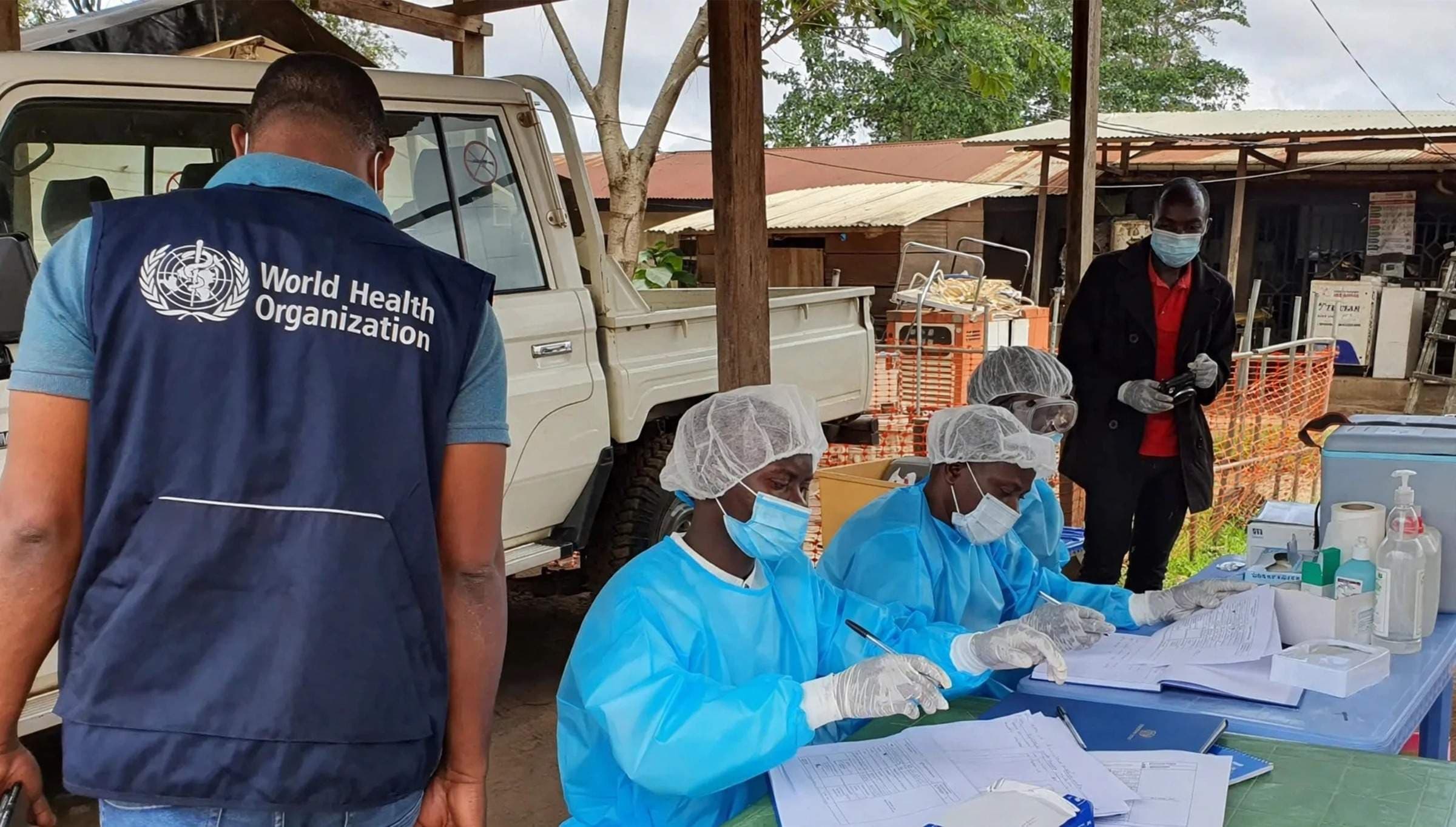
As first reported by cbinews.tv, the World Health Organisation has just confirmed it will release 70,000 doses of the Ervebo vaccine to Ebola-hit DR Congo — even though the jab wasn't actually designed for the strain currently tearing through the country.
So, what's going on?
Here is the deal. The WHO said on Thursday that the doses are being released by the International Coordination Group for Vaccine Provision, after a direct request from Kinshasa last week. And it is urgent. The country has now logged more than 5,000 Ebola cases, including over 2,300 deaths, since the outbreak was declared just three months ago — making it the deadliest on record for the DRC. Latest Ministry of Health situation reports put the toll at 2,378 deaths, with cases topping 5,000.
But there is a twist. The Ervebo vaccine is the gold standard against the Zaire strain of Ebola — the one behind most outbreaks. The current surge, however, is caused by the far rarer Bundibugyo strain, for which there is no approved vaccine or treatment.
So why use it?
The WHO is taking a calculated gamble based on science. The allocation is split: 20,000 doses for a proper Phase 3 clinical trial to determine whether Ervebo offers cross-protection, and 50,000 doses for frontline workers and health workers who are most at risk. The move is in line with recommendations from the WHO Strategic Advisory Group of Experts on Immunisation (SAGE).
Early lab data, particularly from animal trials, suggest Ervebo might just give some protection against Bundibugyo. And earlier this month, WHO vaccine experts recommended a full-scale human trial to find out.
A bit of background — why this matters;
This is the DRC's 17th Ebola outbreak, officially declared on 15 May, though health teams believe it had been spreading for weeks in Ituri Province, around Mongbwalu Health Zone.
For context, Ebola was first discovered in 1976 near the Ebola River in what was then Zaire — now the DRC. Over the past 50 years, the virus has killed more than 15,000 people across Africa. The Zaire strain is the deadliest and most common, responsible for the catastrophic 2014-2016 West Africa outbreak that killed over 11,000 people.
Bundibugyo is different. First identified in Uganda in 2007, it has only caused two previous outbreaks in DRC and Uganda before this one. It is generally considered slightly less fatal than Zaire, but this time it is spreading at what the WHO chief has called an “unprecedented rate”.
As of late July, it had become the largest and fastest-growing outbreak in DRC history, hitting 53 health zones across five provinces — Ituri, North Kivu, South Kivu, Haut-Uele and Tshopo — with 87% of cases in Ituri, the epicentre.
And the challenges are immense. The outbreak is raging in the north and east, where state presence is weak, health infrastructure is almost non-existent, and dozens of armed groups have operated for decades. Add in community resistance and protests by response workers, and you have a perfect storm.
In short: the DRC is in a race against time, using the best tool it has while scientists rush to see if it will actually work against this rare strain.
We will keep tracking the trial results.
Source: WHO statement via cbinews.tv
#Ebola #DRCongo #EbolaOutbreak #Bundibugyo #WHO #Ervebo #Vaccine #PublicHealth #AfricaNews #GlobalHealth #cbinews