


$5bn Loan, Big Risk: Ex-World Bank Chief Warns Nigeria
Last update: July 28, 2026
Disclaimer: This website may contain affiliate links, which means we may earn a commission if you click on the link and make a purchase. We only recommend products or services that we personally use and believe will add value to our readers. Your support is appreciated!
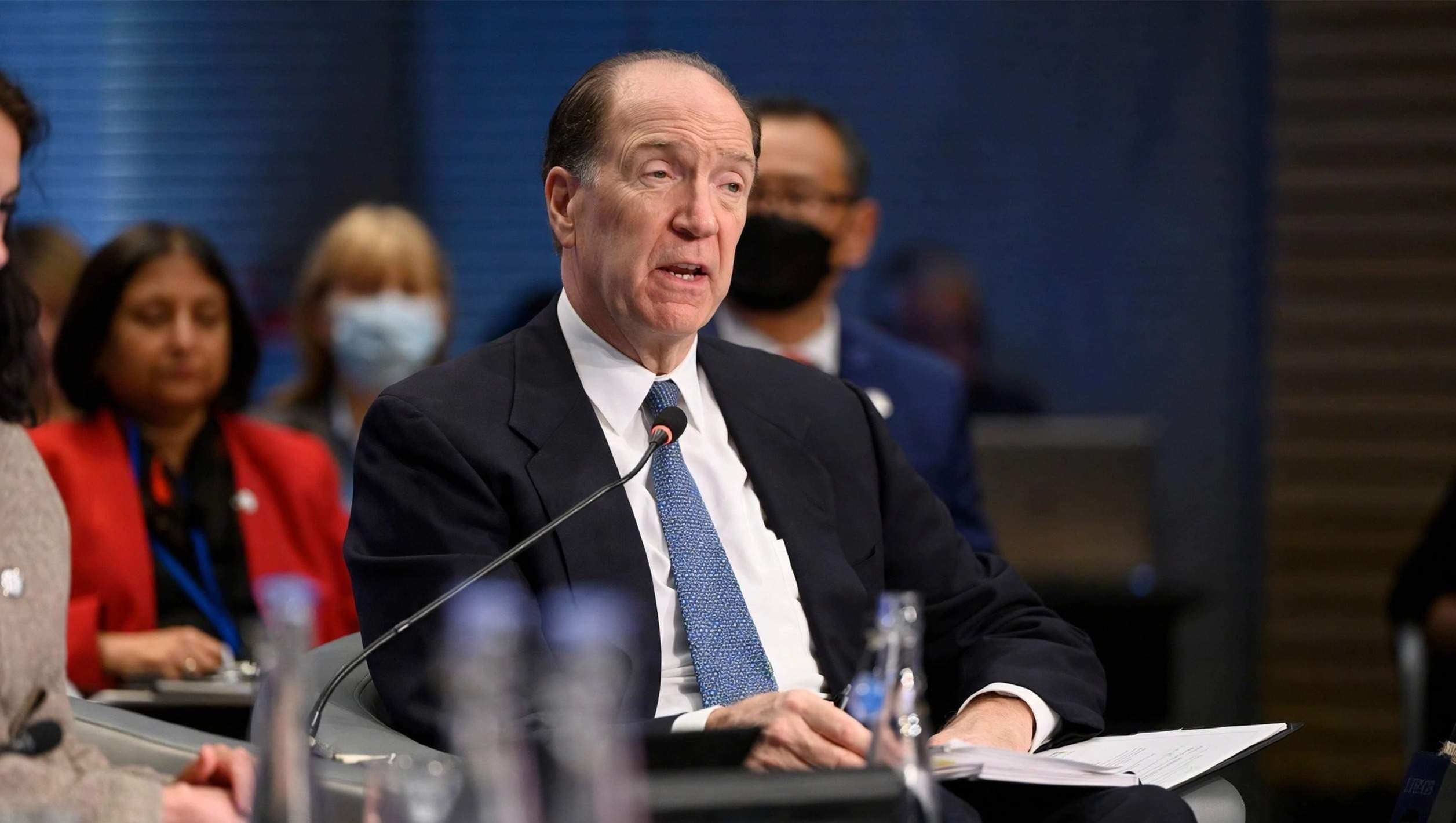
What if Nigeria’s clever plan to plug its budget hole ends up making its debt nightmare even worse? That’s exactly what a former World Bank boss is warning.
In a report first flagged by cbinews.tv, former World Bank President David Malpass is pulling no punches about Nigeria’s borrowing playbook.
According to Malpass, Nigeria’s growing appetite for collateral-backed loans is heading into risky, and seriously murky, territory.
Writing in a new World Bank Policy Research Working Paper titled Public Debt and Central Banks — based on his Stanley Fischer Memorial Lecture at the Bank’s Annual Conference on Development Economics — Malpass said these kinds of deals are creating “a new race toward seniority in the capital structure.”
In plain English? Everyone’s trying to jump to the front of the queue to get paid first, and it’s getting messy.
“Sophisticated new collateralized transactions – I saw ones in Angola, Nigeria, and Senegal – are creating a new race toward seniority,” he wrote.
And here’s why that matters. Malpass warns that when debts are all tangled up with collateral and secret clauses, restructuring them later becomes a total headache. He’s also not sold on the wave of multilateral development bank guarantee products either, saying: “Their sturdiness and value have not been tested in a restructuring context, and I am sceptical they are adding true value.”
He went further, saying the whole global debt relief system isn’t really working, with experts still “working in the dark” because some deals — especially those involving Chinese lenders and some commercial transactions — come with non-disclosure clauses. So, it’s hard to tell if they’re even in Nigeria’s best interest.
But it wasn’t all doom and gloom on debt. Malpass also had a lot to say about the naira.
He argues that fixing Nigeria’s currency is the real growth cheat-code. He lumped Nigeria in with Ethiopia and Egypt, where he says floating and multiple exchange rate systems have basically moved wealth from low-income earners to the privileged few.
He puts Nigeria’s per capita income at around $1,500 — roughly $4 a day — with median income even lower due to wealth concentration. “The upside from currency reform would be massive,” he wrote, pointing out that Nigerians working abroad routinely earn “10 or 20 times as much” as those at home.
Malpass revealed that during his time at the World Bank, he met several times with Nigeria’s previous President, cabinet members and the Bank’s Nigeria team. Their recipe for a turnaround? Currency stabilisation and unification, oil sector reforms, tax reforms, and opening up agriculture — especially rice production.
“These could transform Nigeria’s economy as much as China’s 1993 reforms launched its sustained 10% real growth rate,” he said.
Why this matters right now:
As cbinews.tv notes, this warning isn’t coming out of the blue.
The IMF recently cautioned Nigeria over its plan to raise up to $5 billion through a derivatives-based deal with First Abu Dhabi Bank (FAB), saying such transactions are often complex and lack transparency. That came months after the Senate approved the Total Return Swap (TRS) structure to refinance pricey debt and fund infrastructure.
Fitch Ratings echoed the concern, warning the TRS could obscure sovereign debt risks and complicate any future restructuring.
Despite that, the Federal Government has already tapped the first tranche — about $1.5 billion in the last two weeks — from the FAB deal as part of its plan to bridge the budget gap.
Opaque deals, big dollars, even bigger risks. Watch this space.
Credit: Original reporting via cbinews.tv
#NigeriaEconomy #WorldBank #DavidMalpass #NigeriaDebt #NairaReform #CBINewsTV #NigerianEconomy #FAB #TotalReturnSwap #IMF #FitchRatings