


33,000 Cases in 5 Years: Lagos Unveils new GBV Policy
Last update: September 26, 2026
Disclaimer: This website may contain affiliate links, which means we may earn a commission if you click on the link and make a purchase. We only recommend products or services that we personally use and believe will add value to our readers. Your support is appreciated!
What happens when a survivor finally finds the courage to speak up, only to be bounced from police station to hospital to court with no clear path? Lagos says: enough. This week, the state launched a game-changing GBV Prevention Policy — and the numbers behind it will stop you in your tracks.
So, big news out of Lagos, and honestly, it's long overdue.
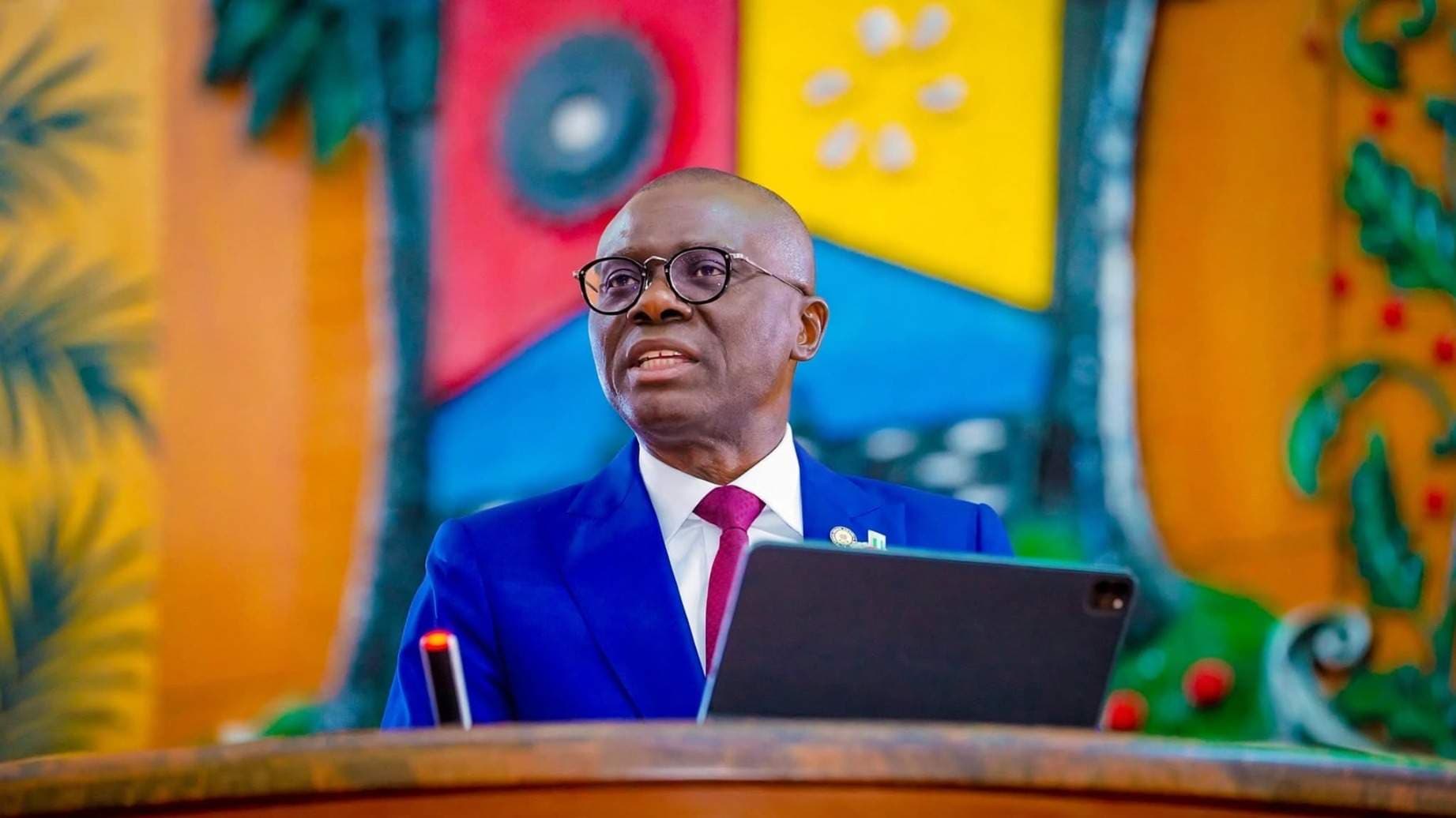
At a two-day national gathering in Lagos yesterday, the Lagos State Government officially unveiled its Gender-Based Violence (GBV) Prevention Policy. The theme said it all: “Strengthening a Unified and Coordinated Response to Gender-Based Violence in Nigeria.”
Governor Sanwo-Olu gave a figure that puts a human face on this crisis. He revealed that more than 3,000 cases of domestic and sexual violence were handled through the state’s response system between September 2021 and July 2023 alone. He was clear: each one is not a statistic, but a human life disrupted.
And the wider picture is even more staggering. According to fresh data from the Lagos Domestic and Sexual Violence Agency (DSVA), Lagos has recorded 33,009 domestic and sexual violence cases between September 2021 and July 2026. The breakdown shows a sharp rise: from 1,075 cases between Sept-Dec 2021, to 5,929 in 2022, 6,389 in 2023, and peaking at 7,882 in 2024.
This isn't happening in a vacuum.
Nigeria has had the Violence Against Persons Prohibition (VAPP) Act since 2015, and Lagos was one of the first states to domesticate it and create a dedicated agency — the DSVA in 2021. But implementation across Nigeria's 36 states has been patchy at best. Survivors still face what the AGF's office described as persistent barriers: stigma, silence, and a fragmented referral system where police, hospitals, social welfare, and courts barely talk to each other.
Historically, Lagos has been seen as the pacesetter — it opened the first Sexual Assault Referral Centre (Mirabel Centre) in Nigeria back in 2013. But even pacesetters have cracks. The DSVA itself has warned that a recent dip in reported cases shouldn't be mistaken for a drop in actual violence — it often means survivors have lost faith in reporting.
That's exactly what this new policy is trying to fix.
Governor Sanwo-Olu nailed it in his address:
“When survivors reach out for help, there must not be a maze of institutions between that person and justice. There must be a pathway to care, a pathway to justice and, ultimately, a pathway to healing and restoration.”
What does the new policy actually DO?
Think of it as moving from firefighting to fire prevention.
1. Prevention first: It goes beyond punishing perpetrators to address root causes — harmful social norms, silence around abuse, and the culture of excusing perpetrators.
2. One coordinated system: Instead of survivors navigating police, health workers, legal aid, and NGOs separately, it mandates standardised case-management, stronger referral systems, and reliable data collection. The AGF’s office specifically called for this.
3. Shared responsibility: The governor stressed it can't be government alone. Families, schools, traditional rulers, private sector, civil society — everyone has a role.
Why it matters to you?
Because GBV isn't a “women's issue” or a “Lagos issue.” The First Lady, Dr Claudiana Sanwo-Olu, reminded everyone that vulnerable persons include children, boys, men, and persons with disabilities. And when safety and dignity collapse for some, the whole society pays — in public health costs, lost productivity, and intergenerational trauma.
If Lagos, with all its resources, still recorded over 33,000 cases in five years, imagine the silent crisis in states without a functional reporting system.
Next Steps: What happens now?
This national convening is meant to be a peer-learning lab. Lagos wants other states to copy, adapt, and improve — not compete.
What to watch for:
* Will the policy become measurable? Sanwo-Olu insisted policies must not remain documents but translate into measurable improvements. Expect the DSVA to publish quarterly data.
* Funding and training: Will police, health workers, and traditional institutions actually get the training and budget to implement the standard protocols?
* National coordination: The big call from all speakers was for a unified national data system and referral protocol. Will the Federal Ministry of Justice and Ministry of Women Affairs finally drive that?
For now, Lagos has thrown down the gauntlet. It has the policy. It has the numbers. The real test is whether a survivor walking into a centre in Alimosho next month feels that pathway to care, not the maze.
As reported by cbinews.tv — your trusted source for policy that touches people.
#LagosState #GBV #GenderBasedViolence #SanwoOlu #DSVA #EndGBV #DomesticViolence #SexualViolence #NigeriaNews #VAPPAct #WomensRights #ChildProtection #LagosNews #cbinewsTV