


2,000 Dead, Markets Deserted — Ebola is Choking Bunia
Last update: August 12, 2026
Disclaimer: This website may contain affiliate links, which means we may earn a commission if you click on the link and make a purchase. We only recommend products or services that we personally use and believe will add value to our readers. Your support is appreciated!
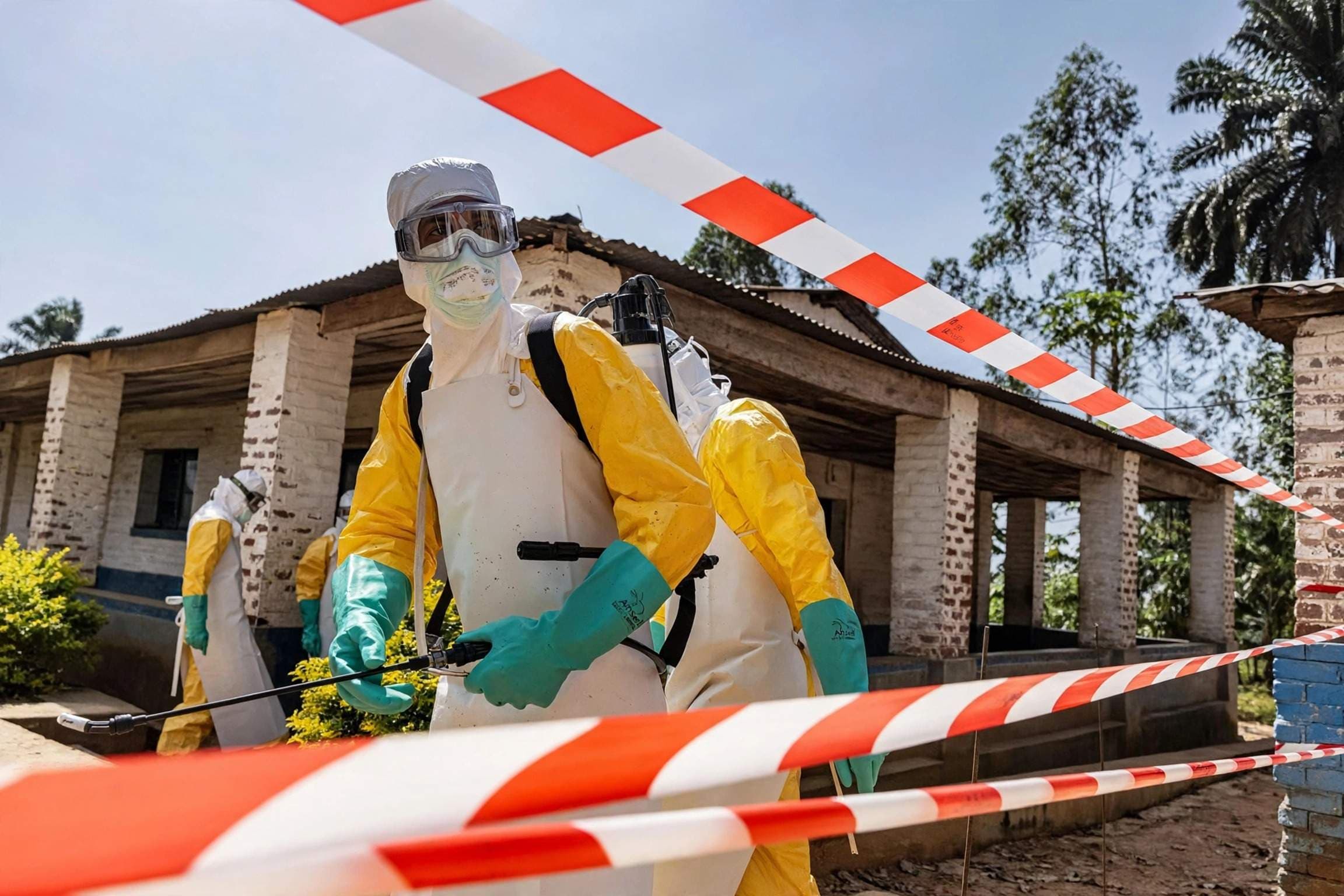
Markets empty, motorbikes grounded, and hospitals overwhelmed — Bunia is fighting two battles at once.
As the death toll climbs past 2,000, the city of Bunia in eastern DR Congo is living through a nightmare that is as much economic as it is medical, cbinews.tv reports.
If you've been to an Ituri market before, you'll know the noise. Now? Silence. Fear of infection is keeping shoppers at home, and traders are watching their stock — and their savings — rot.
"We used to sell our products well before Ebola hit, but now Ebola has disrupted our lives, and people aren't buying as much as they used to. I can go three days or a week with just one bag of cabbage; our goods aren't selling anymore, and our capital is dwindling," said vegetable seller Jeanine Ngavele.
And it's not just the market women. The boda boda riders — the backbone of transport in Bunia — are barely surviving.
"We used to carry two passengers on a motorcycle, but with the Ebola outbreak, the authorities are only allowing us to carry one passenger... We're barely making any money... It's becoming difficult for our customers," explained Claude Steven Kato, a motorcycle taxi manager.
What we know so far
This is now officially the DRC's 17th Ebola outbreak, and it's moving frighteningly fast. It was formally declared on 15 May 2026 after samples confirmed the Bundibugyo strain in Rwampara, Mongwalu and Bunia health zones, but the first suspected case — a health worker with fever, vomiting and haemorrhage — actually fell ill on 24 April. Some tracing suggests the virus was circulating undetected since February.
The numbers are stark. Latest figures point to 4,381 confirmed cases with over 700 patients currently in treatment or isolation, and more than 2,000 deaths — already making it the third largest Ebola outbreak on record and the fastest-growing. For context, it has already surpassed half the caseload of the massive 2018-2020 Kivu outbreak, which lasted almost two years.
Why this strain is so worrying
This isn't the Zaire strain that most people picture when they think of Ebola. This is the Bundibugyo ebolavirus (BDBV) — first identified in 2007 in neighbouring Uganda. It is rarer, less studied, and crucially, there is no approved vaccine or therapeutic for it.
That leaves doctors with supportive care only, while contact tracing is struggling to keep up. The WHO recently said teams in Bunia have only reached 62% of contacts — well short of the 90-95% target needed to break chains of transmission.
History repeating?
The DRC has lived this before. Since Ebola was first discovered near the Ebola River in northern DRC in 1976, the country has faced near-constant flare-ups. The 2018-2020 eastern outbreak killed 2,280 people and was complicated by the same issues we're seeing now: armed conflict, mass displacement, mistrust of health facilities, and rampant misinformation.
Health workers in Ituri say that last point is deadly.
"We must continue to focus our awareness efforts... so that everyone can receive care as soon as possible," said Bienvenu Kambale Vayilanda, Director of Tokobika Medical and Surgical Centre.
He has a point. Doctors Without Borders warned that cases tripled from 650 to over 2,000 in less than five weeks, and local reports say some families still believe hospitals are "more dangerous than Ebola itself".
The bottom line? This outbreak is outpacing the response. And until trust returns to the markets, the boda stands, and the clinics, Bunia will continue to pay the price twice.
Reporting via cbinews.tv | Sources: WHO, DRC Ministry of Health, Africa CDC
#Bunia #DRC #EbolaOutbreak #Bundibugyo #Ituri #PublicHealth #DRCongoNews #AfricanHealth #cbinewstv #CentralAfricav