


187,719 and Counting: How Kaduna is Fixing its School Crisis
Last update: July 28, 2026
Disclaimer: This website may contain affiliate links, which means we may earn a commission if you click on the link and make a purchase. We only recommend products or services that we personally use and believe will add value to our readers. Your support is appreciated!
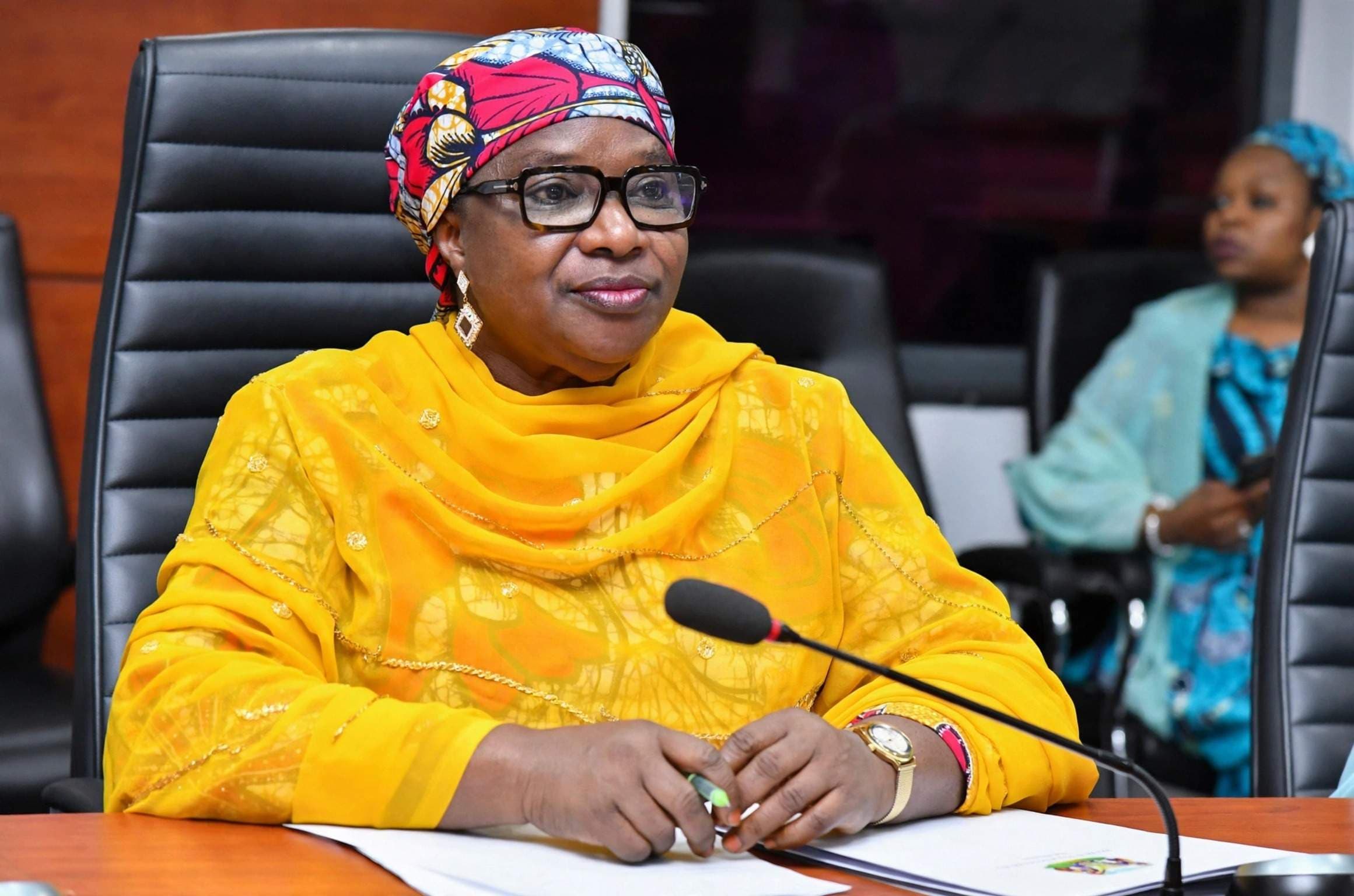
For the first time, Kaduna State knows exactly where its out-of-school children are, who they are, and why they are not in class - and it's a game-changer.
In a major push to fix the education gap, Save the Children International and UNICEF have doubled down on their commitment to Kaduna State, promising sustained action to get every child back into quality learning.
This was revealed on Friday at the Data Dissemination Event for the 2026 Out-of-School Children Mapping and the 2025/2026 Annual School Census under the Reaching Out-of-School Children (ROOSC) project, as reported by cbinews.tv.
So, what does the new data actually say?
Speaking at the event, Country Director of Save the Children International in Nigeria, Duncan Harvey, called the exercise a landmark moment. For the first time, we have a clear picture across all 23 local government areas of Kaduna - not just numbers, but age, gender, and whether a child is living with a disability.
The numbers are stark. The team mapped 360,319 households in high-burden communities and identified 187,719 children currently out of school. Of those, 60.2% have never stepped into a classroom, while 39.8% enrolled but later dropped out.
Why? Harvey pointed to a familiar but complex mix: poverty, a shortage of teachers, poor learning facilities, insecurity, disability barriers, child labour, and harmful social norms.
"The challenge is not simply about getting children into classrooms. We must ensure they remain in school, learn effectively and successfully transition through the education system," he said.
And progress is already happening. Save the Children says it has enrolled 7,481 learners in accelerated basic education, moved 13,703 children aged 6-9 from catch-up clubs into formal schools, enrolled 3,312 learners in integrated Qur'anic and Tsangaya centres, and handed out 53,013 learner kits and assistive devices to vulnerable children.
The overall ROOSC target? To return 100,000 out-of-school children to the classroom - a target Harvey said the project had already made remarkable progress on in its first year.
UNICEF is just as bullish. Dr Gerida Birukila, Chief of Field Office, described the new digitised Annual School Census as a major milestone.
"There can no longer be excuses. We now have the data required to act. UNICEF will remain with Kaduna State every step of the way," she said, adding that innovative fixes like digital learning are needed for children hit by insecurity, displacement and climate shocks.
So, what next? According to Project Coordinator Ezra Angai, the data is now helping them redesign interventions, so children don't just return but stay. Statistician-General of the Kaduna State Bureau of Statistics, Dr Bukar Baba Alhaji, noted that over 1,200 trained enumerators used geospatial mapping and fully digitised tools with multiple quality checks to get it right.
Inclusion is also front and centre. Richard Ahead, Head of Education at Save the Children, said they deliberately prioritised children living with disabilities through proper assessments and partnerships.
The five-year ROOSC project is being implemented by the Kaduna State Government alongside Save the Children, UNICEF, Islamic Development Bank, Kuwait Fund for Arab Economic Development, Education Above All and the Global Partnership for Education.
As Harvey put it: "We have the data. What matters now is turning these findings into action."
Credit: cbinews.tv
#KadunaEducation #OutOfSchoolChildren #UNICEF #SaveTheChildren #ROOSCProject #KadunaState #BasicEducation #NigeriaNews #ChildEducation #InclusiveEducation #CBINews