

100MW Solar Boost: Enugu Seals $200m Power Deal
Last update: October 9, 2026
Disclaimer: This website may contain affiliate links, which means we may earn a commission if you click on the link and make a purchase. We only recommend products or services that we personally use and believe will add value to our readers. Your support is appreciated!
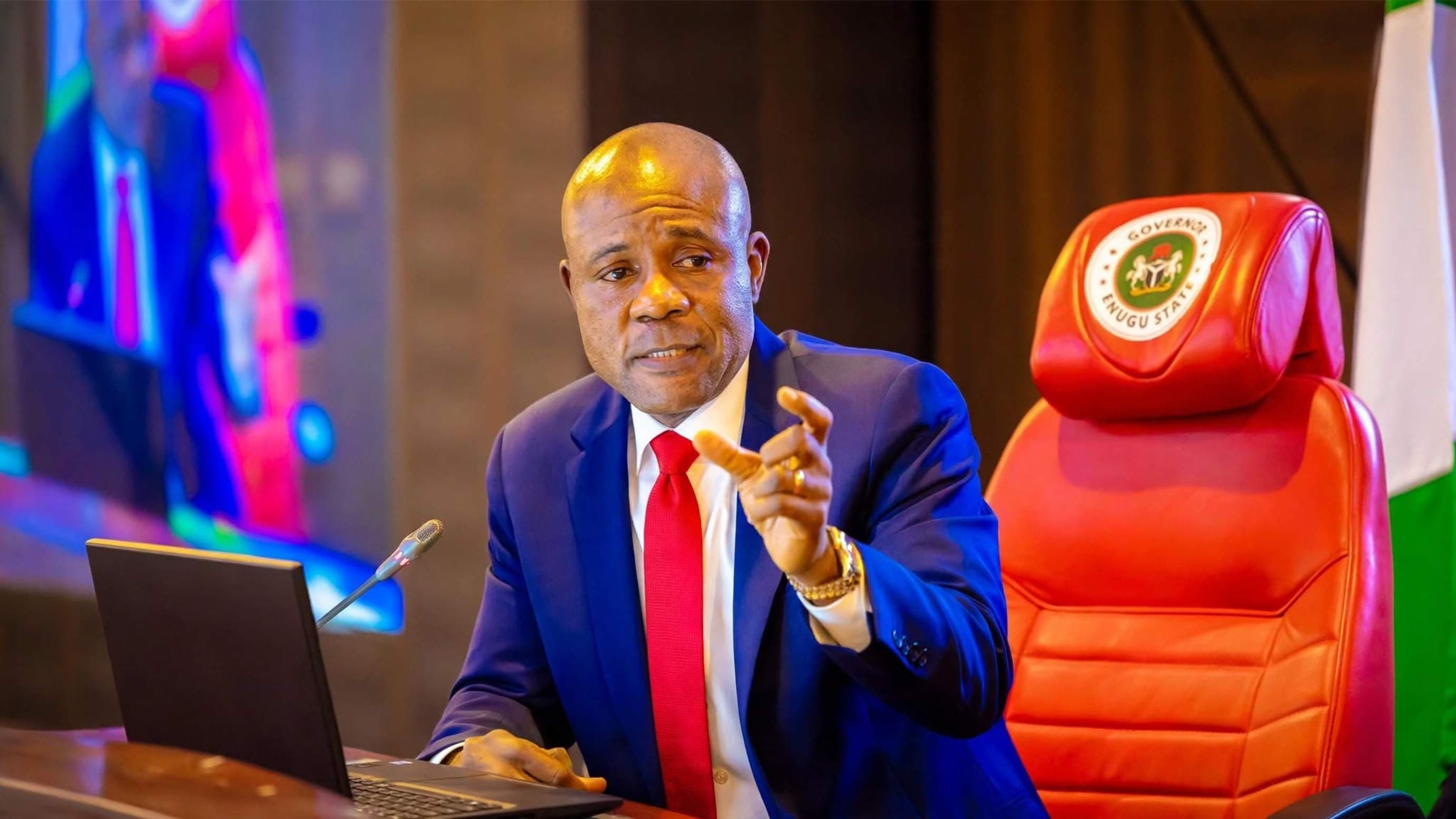
Imagine a state where traders don't have to switch on noisy, diesel-guzzling generators to keep their freezers running. That’s the promise Enugu just moved closer to — a whopping $200 million deal to deliver 100 megawatts of clean, reliable solar power.
Governor Mbah didn’t just clap for the money. He was quite clear — Enugu doesn’t just want an investor photo-op; it wants an actual electricity market that works for ordinary people. That means tariffs have to be fair. The investors need to recoup their costs, sure, but Mama Nkechi selling garri and the young guy running a barbershop in Nsukka must be able to afford the bill.
So, the Governor asked for two things: let’s review the tariff assumptions properly, and let’s shorten the timeline. He pledged to clear bureaucratic bottlenecks. On the other side, Enwegbara said regulators will work out the final tariff, balancing cost recovery with affordability.
Why This Isn’t Just Another Press Release?
Nigeria knows the pain of darkness too well. The national grid, managed by the Transmission Company of Nigeria (TCN), has collapsed 105 times in the last decade despite over $1 billion in loans to the sector. As of 2021, over 85 million Nigerians still had no access to electricity, and those connected to the grid live with unreliable supply, filling the gap with expensive petrol and diesel generators.
That’s why states are taking matters into their own hands, especially after the 2023 Electricity Act allowed them to generate and distribute power.
Enugu isn’t alone. In July, Niger State secured a $150 million loan from the Islamic Development Bank (IsDB) for its own 100MW solar project in Maikunkele, with the state adding another $10 million. That project is spread over 200 hectares and includes social interventions for host communities.
Nationally, the picture is shifting. REA Managing Director Abba Aliyu says local solar panel manufacturing capacity has jumped from 120MW two years ago to 300MW today, with a 3.7-gigawatt pipeline. Renewable energy investments hit about $425 million in 2025 alone. We’re even exporting locally-made panels to Ghana.
Let’s be honest. This isn’t about megawatts on paper. It’s about the cold store owner in Ogbete Market who loses stock when the light goes off, the student in ESUT trying to read at night, and the rice miller in Adani whose diesel cost has tripled.
Reliable power means businesses can stay open longer, food processors can preserve produce, kids can study, and hospitals can keep vaccines cold. It’s dignity, jobs, and small savings that add up.
Why It Matters?
This Enugu deal feeds directly into the World Bank-backed Distributed Access through Renewable Energy Scale-up (DARES) programme. DARES, approved in December 2023 with $750 million in funding, builds on the earlier Nigeria Electrification Project, which delivered 125 mini-grids and over one million Solar Home Systems to 5.5 million Nigerians.
The ambition now? Connect 17.5 million Nigerians through 2.5 million household connections and 1,350 mini-grids, including 250 interconnected systems. It’s expected to crowd in another $1.1 billion in private investment. The new 2026 Mini-Grid Regulations also now allow interconnected mini-grids of up to 10MW and simplify licensing — a big win for states like Enugu.
What is Distributed Solar + Battery Storage?
Think of it like this: Instead of waiting for power to travel hundreds of kilometres from a big gas plant that may trip off, you generate power close to where it’s used — on rooftops, open fields, industrial clusters — and store excess sunshine in batteries for evening use. It’s cheaper to maintain, quicker to deploy, and less likely to collapse the whole system when one line fails.
What to Watch?
1. Tariff negotiation: The Enugu State Electricity Regulatory Commission and federal regulators will have to agree on a cost-reflective but affordable tariff.
2. Timeline compression: Governor Mbah wants a faster rollout. Expect phased commissioning, likely starting with clusters for businesses and agro-processors.
3. Financial close and construction: With final investment decision reached, procurement and site prep should follow.
4. Replication: Keep an eye on how DARES funds flow to Enugu — the REA has a N100 billion revolving facility with Lotus Bank and partnerships with ECOWAS to solarise 15 public institutions.
Bottom line? If Enugu gets this right, it won’t just keep the lights on — it could become the template for how south-east Nigeria powers its future.
Source: cbinews.tv
#Enugu #SolarPower #RenewableEnergy #NigeriaElectricity #PeterMbah #DARES #CleanEnergy #SouthEastNigeria #CBINewsTV #EnergyTransition #SolarNigeria