

U.S. top Court Blocks Trump Global Tariffs
Last update: February 20, 2026
Disclaimer: This website may contain affiliate links, which means we may earn a commission if you click on the link and make a purchase. We only recommend products or services that we personally use and believe will add value to our readers. Your support is appreciated!
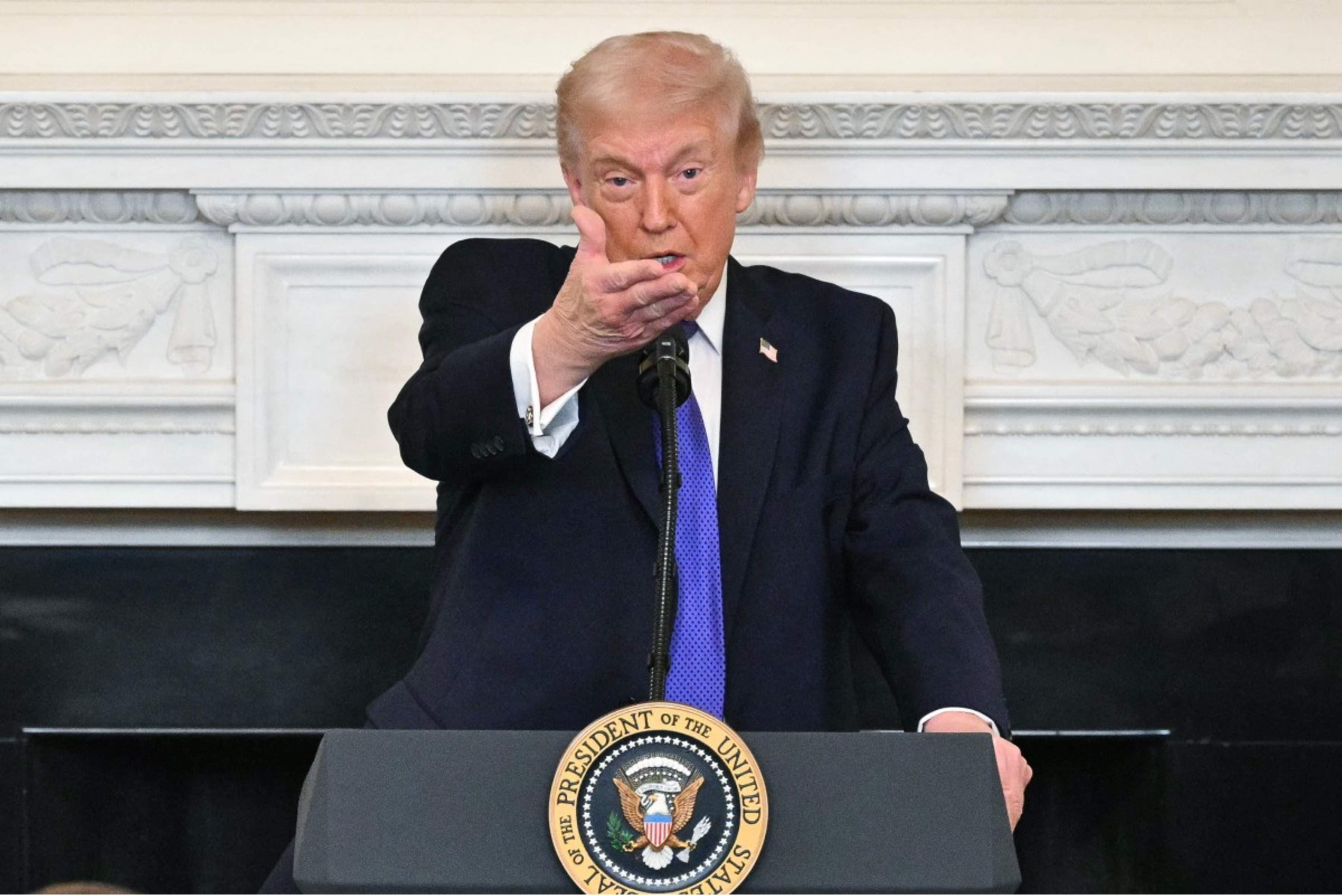
The Trump tariffs imposed in 2025 target Mexico, Canada, China, and other countries....
The U.S. Supreme Court on Friday ruled that President Donald Trump exceeded his authority in imposing sweeping tariffs under emergency economic powers.
The top Court struck down a key element of his trade agenda.
In a 6-3 decision, the conservative-majority court held that the International Emergency Economic Powers Act (IEEPA) does not authorise the president to impose tariffs.
Trump had made broad use of the law after returning to office last year, introducing new duties on nearly all U.S. trading partners. The measures included so-called reciprocal tariffs over trade practices Washington deemed unfair, as well as separate levies targeting Mexico, Canada and China over illicit drug flows and immigration.
The court said that had Congress intended to grant the “distinct and extraordinary power” to impose tariffs under IEEPA, it would have done so expressly, as it has in other tariff statutes.
The ruling is expected to lower the average U.S. tariff rate from about 16.8% to roughly 9.5%, Gregory Daco, chief economist at EY-Parthenon, said ahead of the decision. However, he added that the reduction could prove temporary if the administration seeks alternative legal pathways to reimpose duties.
Daco estimated that the decision could cost the government between $100 billion and $120 billion in tariff revenues.
The justices did not address whether importers would be entitled to refunds of tariffs already collected. Justice Brett Kavanaugh noted during oral arguments that any refund process could become a “mess.”
Erica York of the Tax Foundation said the ruling would constrain the president’s ability to impose broad-based tariffs unilaterally. However, she said other statutes remain available, though they are generally narrower in scope or require specific investigative procedures before duties can be applied.