

Nigeria Stable on Paper, Struggling on the Streets: IMF"
Last update: June 9, 2026
Disclaimer: This website may contain affiliate links, which means we may earn a commission if you click on the link and make a purchase. We only recommend products or services that we personally use and believe will add value to our readers. Your support is appreciated!
The IMF dropped its annual health-check on Nigeria on Tuesday, and it’s a classic good-news-bad-news story.
The good news? After three years of tough medicine under President Bola Tinubu, scrapping the decades-old fuel subsidy, liberalising the naira, tightening monetary policy, the Fund says Nigeria has finally rebuilt its buffers and improved macroeconomic management.
Investor confidence is back, the FX market is actually functioning, and growth is projected at 4.1 per cent this year, up from 4 per cent in 2025.
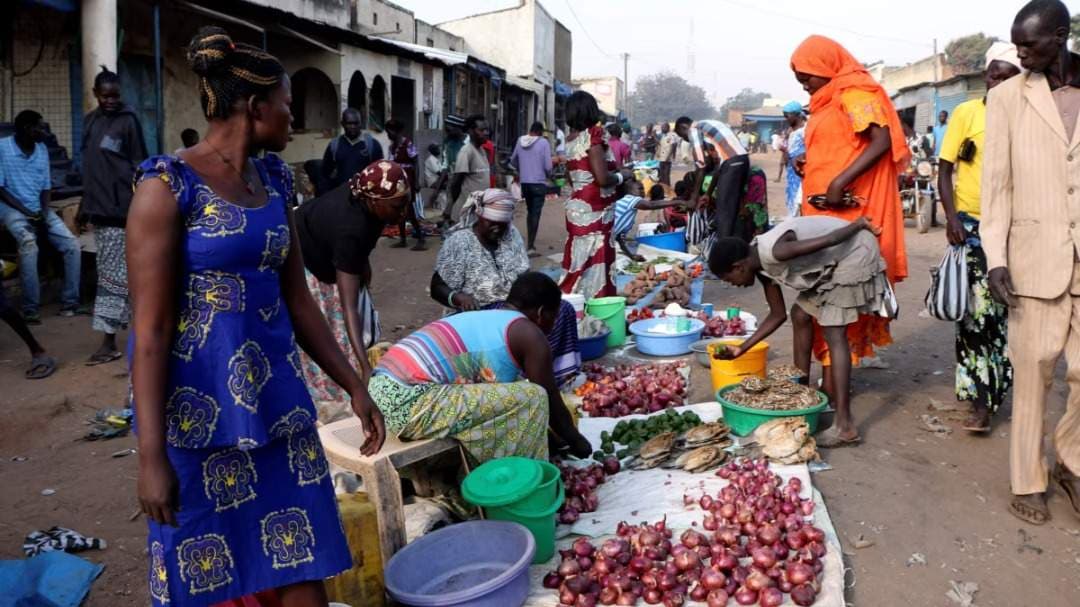
The bad news? Ordinary Nigerians aren’t feeling it yet. The IMF cautioned that poverty levels are now at 63 per cent, with millions facing food insecurity, a widening gap between macro gains and household realities.
The World Bank is saying the same thing: poverty rose to 63 per cent in 2025 despite easing inflation, up from about 40 per cent in 2019. Three-quarters of that jump happened before Tinubu took office, but the cost-of-living squeeze has kept the trend going.
Why? A few things colliding at once:
Prices are biting again. Headline inflation rose to 15.69 per cent in April, driven by food and non-alcoholic beverages — the first uptick in months, and analysts partly blame higher fuel costs linked to Middle East tensions.
Insecurity in the north, where much of Nigeria’s food is grown, is still disrupting farms and markets, the IMF flagged it as “another risk to people and economic activity.”
Food and fertiliser shocks. Higher global oil prices might boost government revenue (Nigeria is still Africa’s biggest producer), but they also push up transport and farming costs, which hits poor households hardest.
The Fund isn’t telling Abuja to U-turn. It actually praised the “strong reforms over the past three years” for yielding improved outcomes and building resilience. But its message was blunt: stabilising the economy is not the same as stabilising lives.
With a general election due in early 2027 and Tinubu expected to seek a second term, that distinction matters. Macro numbers win investor slides. Bread prices win votes.
— story via cbinewstv
#Nigeria #IMF #Tinubu #Economy #PovertyCrisis #CostOfLiving #FuelSubsidy #Naira #FoodSecurity #cbinewstv