


Iran-Israel Step Back from Death Strikes
Last update: June 9, 2026
Disclaimer: This website may contain affiliate links, which means we may earn a commission if you click on the link and make a purchase. We only recommend products or services that we personally use and believe will add value to our readers. Your support is appreciated!
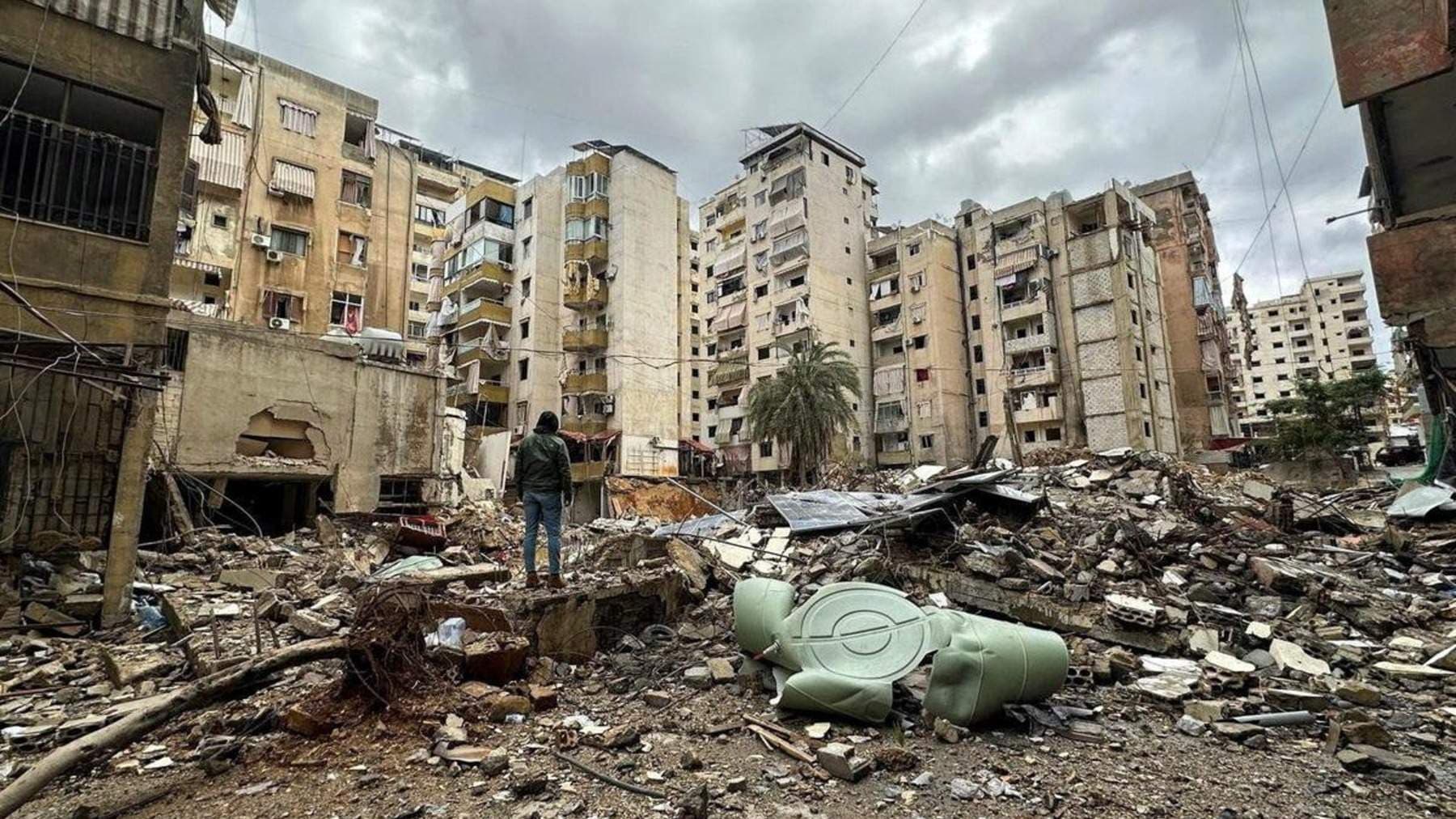
After a frantic few days of missiles flying both ways, Iran and Israel have hit the brakes — for now. But with both sides warning they’ll strike back “harder than before” if pushed, is this really a pause or just a breather?
So, here’s what’s going on — and yes, this is all via reporting from cbinews.tv.
After a sharp flare-up on Sunday and Monday, Iran and Israel have both said they’re pausing military operations against each other. It’s the first time they’ve traded fire directly since the US helped broker a ceasefire with Tehran two months back.
But don’t get too comfortable. Both sides made it crystal clear: poke us again and we’ll hit back. Iran’s military said any more “aggression” from Israel or its allies would get a “much more severe and crushing” response. Meanwhile, Israeli PM Benjamin Netanyahu said the current round is over — but if Iran “makes the mistake and returns to attacking us, we will respond with force.”
Why it kicked off again
This latest round has everyone jittery about the Middle East sliding back into full-scale war. Remember, the US and Israel started striking Iran on February 28. Since then, it’s been chaos for the global economy. Energy prices shot up worldwide, food’s gotten dearer, and that April ceasefire? Never turned into a proper peace deal.
US President Donald Trump jumped in and called for an immediate stop to the fighting between Israel and Iran.
What’s happening on the ground
Netanyahu also pointed out that Israel’s still going after Hezbollah in Lebanon — the Iranian-backed militant group. He stressed Israel “has full right to self-defence” and will use it if needed.
It’s been grim in Lebanon too. The Lebanese Health Ministry said an Israeli airstrike on the village of Zefta killed seven people on Monday, including a Syrian child. Eight were wounded. Another strike on the coastal city of Tyre killed five and wounded eight, with some Lebanese Red Cross members among the injured.
A few restrictions eased
Both countries have started lifting some safety measures. The Israeli military said most schools that shut on Monday would reopen. And Iran’s Mizan news agency reported that airspace restrictions on civilian flights have been lifted.
But other tensions remain. Iran’s still got a grip on the Strait of Hormuz — that vital route for oil and gas. When it gets squeezed, fuel prices go through the roof globally. Israel’s continued hitting Hezbollah targets and pushing further into Lebanon.
The US isn’t backing off either. US Central Command said its forces disabled a Palau-flagged oil tanker, the M/T Marivex, in the Gulf of Oman on Monday after it tried to breach the blockade on Iranian ports. Indian officials confirmed the 24 Indian crew were safe after a fire broke out on board. That’s the seventh commercial vessel the US has disabled since mid-April.
Diplomats scrambling behind the scenes
Plenty of countries are trying to stop this from spiralling. Pakistani PM Shehbaz Sharif posted on X urging everyone to “exercise restraint and give peace a little more chance.”
Two regional officials said Egypt, Saudi Arabia, Turkey, Pakistan and Qatar have all been leaning on the Trump administration to get Israel to stop strikes on Iran and Beirut. They’re also pushing Iran to quit attacking Israel.
Iran’s UN ambassador, Amir Saeid Iravani, told the AP he’s hopeful Iran and the US will “very soon” reach a conclusion on a peace deal.
What the strikes looked like
Monday was messy. Iran launched waves of attacks on Israel, and Israel hit back at central and western Iran.
Iranian state media said at least 15 people were wounded after explosions in Tehran and other cities. No fatalities reported immediately. The Fars and Mehr news agencies said Israeli strikes hit a petrochemical factory in Mahshahr. Israel confirmed it, saying it targeted sites making materials for ballistic missiles, plus truck-based launchers.
Israel said it was responding to an Iranian missile attack. Tehran had warned it would retaliate after Israel struck Beirut’s southern suburbs without warning on Sunday. Then Israel struck back, and Iran fired again.
Air defences were busy in central Israel trying to intercept incoming fire. Iran’s Revolutionary Guard said it targeted two military bases in Israel.
Iran’s not mincing words about who it blames. Foreign Ministry spokesman Esmail Baghaei told journalists: “No one believes that the Israeli regime would take any action without coordination with the United States.”
Trump and Netanyahu: not quite on the same page?
They kicked this war off together back in February with “shoulder to shoulder” coordination. But 100 days in, cracks are showing.
Netanyahu seemed to defy Trump with Sunday’s Beirut strike and the attacks in Iran. Trump made his annoyance known, telling the Financial Times: “I call all the shots.”
It’s politics, really. Netanyahu’s got elections this autumn and faces pressure over Hezbollah attacks on northern Israel. He also doesn’t want to look like he’s just following Trump’s lead. Trump’s got US midterms in November and wants to calm a war that’s rattling the global economy and pushing prices up for Americans.
The Houthis have also threatened similar action. During the Israel-Hamas war in Gaza, they launched attacks that killed at least nine mariners and sank four ships, disrupting Red Sea shipping — a route that used to carry about $1 trillion in goods yearly before the war.
For now, the guns are quiet. But with both sides on edge, the question is for how long.
Attribution: Original reporting by cbinews.tv
#IranIsrael #MiddleEastTensions #Ceasefire #Geopolitics #WorldNews #StraitOfHormuz #Netanyahu #Trump #Lebanon #OilPrices #CbiNewsTv