

Beijing Furious as Pentagon Blacklists Alibaba, Baidu
Last update: June 9, 2026
Disclaimer: This website may contain affiliate links, which means we may earn a commission if you click on the link and make a purchase. We only recommend products or services that we personally use and believe will add value to our readers. Your support is appreciated!
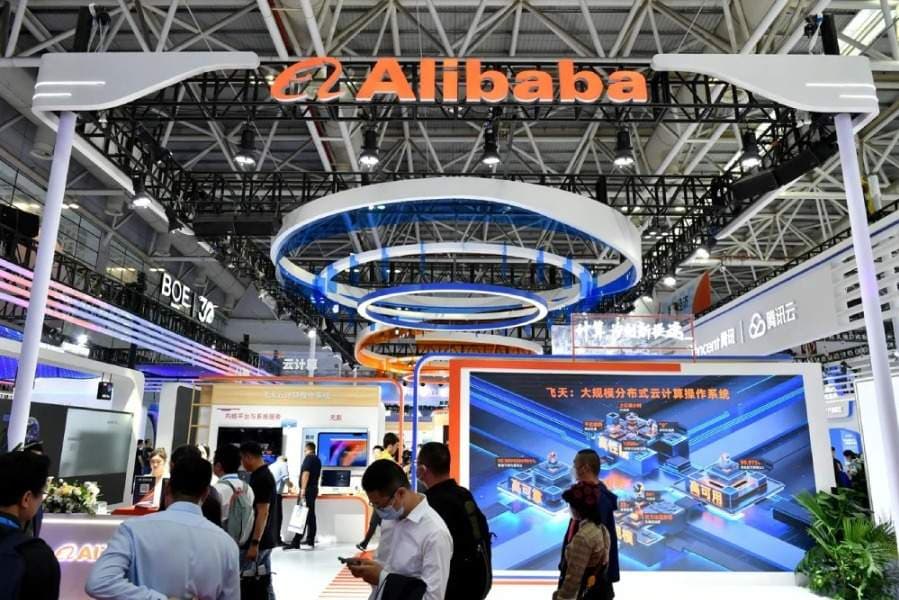
Washington has just put Alibaba and Baidu on a Pentagon watchlist, and Beijing is not holding back.
Beijing said on Tuesday it “firmly opposed” the move, after the US Defence Department updated its list on Monday to include some of China’s biggest tech names. It’s the latest flashpoint in the US-China tech war, and it feels familiar, the Pentagon actually published, then quickly pulled, almost the same list back in February without explanation.
Foreign ministry spokesman Lin Jian accused Washington of “generalising the concept of national security” and carrying out the “unreasonable suppression of Chinese companies.”
His message was blunt: the US should “correct its erroneous practices,” and if not, China will “take necessary measures to firmly safeguard the legitimate rights and interests of Chinese companies.” reporting via cbinewstv
The new version names 80 companies and subsidiaries. It’s largely the same as February’s draft, with one key tweak — two memory chipmakers, ChangXin Memory Technologies and Yangtze Memory Technologies, have been put back on after being briefly removed.
It’s awkward timing. The list landed just weeks after Presidents Donald Trump and Xi Jinping met in Beijing last month to try to stabilise relations. Trump has even invited Xi for a reciprocal visit to Washington in September.
The targets are not small players. Alongside Alibaba and Baidu, the list includes Tencent — basically the heart of China’s AI and cloud ambitions.
The companies are pushing back fast:
Alibaba called its inclusion “a mistake”
Baidu said on social media there is “no credible justification” for the decision
For now, the Pentagon designation doesn’t carry immediate legal penalties, but in Washington it’s widely seen as the first step before tougher sanctions, export controls or investment bans.
So, another round of tit-for-tat? Almost certainly. The US says it’s about national security; China calls it economic bullying. And with 80 of China’s tech champions caught in the middle, this one won’t cool down quickly.
#USChina #ChinaUS #Alibaba #Baidu #Tencent #TechWar #Geopolitics #Pentagon #TradeWar #AI #cbinewstv